Unlocking the Future of Eco-Friendly Packaging: The Benefits of Bioplastics and Sustainable Agriculture
Plastic pollution and environmental degradation are urgent challenges that demand new solutions. Bioplastics, made from renewable plant materials, offer a promising alternative to traditional plastics. When combined with sustainable agriculture, bioplastics can reduce waste, lower carbon footprints, and support healthier ecosystems. This post explores the benefits of bioplastics, how natural packaging can grow alongside agriculture, and a compelling case study from India where mango peels are transformed into bioplastics. We also highlight opportunities to learn and engage through workshops and seminars designed for students, educators, and communities.

Why Bioplastics Matter for the Environment
Traditional plastics come from fossil fuels and take hundreds of years to break down, polluting land and oceans. Bioplastics, on the other hand, are derived from plants such as corn, sugarcane, or agricultural waste. They decompose much faster and reduce reliance on nonrenewable resources.
Key benefits of bioplastics include:
Lower carbon emissions during production compared to petroleum-based plastics
Reduced plastic waste in landfills and oceans due to biodegradability
Less toxic impact on wildlife and ecosystems
Potential to use agricultural by-products that would otherwise be discarded
Research from the European Bioplastics Association shows that bioplastics can cut greenhouse gas emissions by up to 70% compared to conventional plastics (European Bioplastics, 2023). This makes them a crucial part of a sustainable future.
Growing Natural Packaging Through Sustainable Agriculture
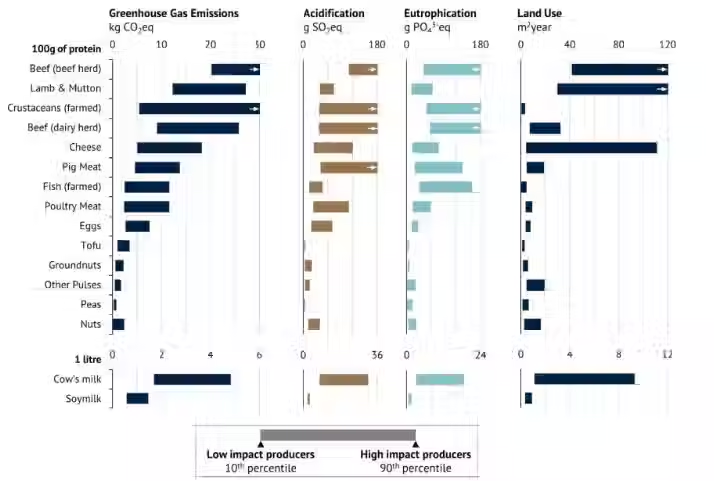
The demand for plant-based packaging will grow as consumers and companies seek greener options. This creates an opportunity for agriculture to shift focus from resource-intensive foods like meat and dairy, which require large amounts of water, land, and energy, to crops that support bioplastic production.
Sustainable agriculture practices that support bioplastic growth include:
Crop rotation and diversification to maintain soil health
Using agricultural waste such as peels, husks, and stalks for bioplastic raw materials
Reducing chemical inputs to protect water and air quality
Supporting fair labor practices to improve conditions for workers
By prioritizing plant-based packaging materials, farmers can contribute to a circular economy where waste is minimized and resources are reused.
Case Study: Mango Peel Bioplastics in India
In India, a country with a large mango harvest, researchers and entrepreneurs have developed a way to turn mango peels into bioplastics for packaging. Mango peels, usually discarded as waste, contain natural polymers that can be processed into biodegradable films.
This innovation addresses multiple challenges:
Reduces agricultural waste by repurposing mango peels
Offers a sustainable packaging alternative to plastic bags and wraps
Provides income opportunities for rural communities involved in collection and processing
A study published in the Journal of Cleaner Production (Patel et al., 2022) found that mango peel bioplastics degrade within months and have mechanical properties suitable for food packaging. This approach is gaining traction in local markets and shows potential for scaling.

How You Can Get Involved and Learn More
Understanding bioplastics and sustainable packaging is essential for students, educators, and community leaders who want to make a positive environmental impact. We offer workshops and seminars tailored to:
Eco schools seeking hands-on skills in bioplastic creation
Universities integrating sustainability into their curriculum
Community groups interested in local solutions to plastic pollution
Teachers and learners of all ages eager to explore green technologies
Our sessions cover the science behind bioplastics, practical steps to create your own, and how to connect agriculture with packaging innovation. These interactive experiences empower participants to become advocates and innovators in sustainability.
If you want to explore collaboration or book a discovery call, please visit our booking page.

Moving Toward a Greener Packaging Future
Bioplastics offer a clear path to reducing plastic pollution and supporting sustainable agriculture. By shifting demand toward plant-based packaging, we can lessen the environmental impact of food production, especially compared to meat and dairy industries that heavily rely on plastic packaging and intensive resource use.
The example from India shows how local resources and innovation can create practical solutions with global relevance. Learning about and participating in bioplastic creation helps build a more sustainable future for communities worldwide.
Take the next step by joining a workshop or seminar to gain skills and knowledge about bioplastics. Together, we can unlock the potential of natural packaging and support healthier ecosystems for generations to come.
References
European Bioplastics Association. (2023). Bioplastics Market Data. Retrieved from https://www.european-bioplastics.org/market/
Patel, R., Singh, A., & Kumar, P. (2022). Development of biodegradable films from mango peel waste for sustainable packaging. Journal of Cleaner Production, 350, 131456. https://doi.org/10.1016/j.jclepro.2022.131456

Comments